Food packaging needs to do more than protect a product. It should also support cleanliness, convenience, presentation, and brand recognition. Restaurants, cafés, bakeries, food trucks, delis, and food manufacturers increasingly use printed food paper to create packaging that is both functional and visually appealing.
Greaseproof paper is particularly useful for foods containing oil, butter, or sauces. It can be used for burger wraps, sandwich packaging, bakery products, tray liners, basket liners, and other food-service applications. Depending on the specification, greaseproof paper can provide resistance to oil while maintaining breathability. Current manufacturers offer different GSM levels and grease-resistance grades for different food applications.
For businesses looking to strengthen their packaging, custom printed greaseproof paper provides an opportunity to place a logo, repeating pattern, brand colors, or other artwork directly onto food wrapping. Instead of using plain paper, businesses can turn every wrapped product into another point of brand exposure.
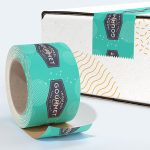
Roll formats are also valuable for commercial operations. Restaurants and packaging converters may need continuous rolls for dispensing, cutting, converting, or automated packaging processes. Choosing the right supplier can therefore make a major difference in material consistency, printing quality, production efficiency, and overall packaging costs.
Before ordering, businesses should consider paper weight, grease resistance, roll dimensions, printing method, food-contact requirements, minimum order quantity, lead time, and shipping. A clear specification makes it easier to compare suppliers and receive accurate quotations.
What Is Custom Printed Greaseproof Paper?
Custom printed greaseproof paper is food-grade paper designed to resist grease and customized with a company’s branding. It can be supplied as individual sheets, rolls, or converted packaging formats depending on the supplier and intended application.
Printing may range from a simple single-color logo to multi-color or full-color artwork. Current suppliers advertise flexographic and other printing options using food-safe inks for branded food packaging.
Businesses can customize the dimensions as well. Standard sheet sizes are available from many suppliers, while manufacturers may also produce custom widths, lengths, and die-cut formats.
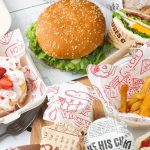
The paper can be used for wrapping burgers, sandwiches, pastries, fried foods, bakery products, and other menu items. It can also be placed inside trays and baskets as a branded liner.
The exact material should always be selected according to the food application. A paper intended for a lightly greasy bakery product may have different performance requirements from paper used for heavily fried foods.
Benefits of Branded Greaseproof Paper
One of the biggest benefits of printed food paper is increased brand visibility. Every wrapped product can display the company’s identity without requiring additional labels or stickers.
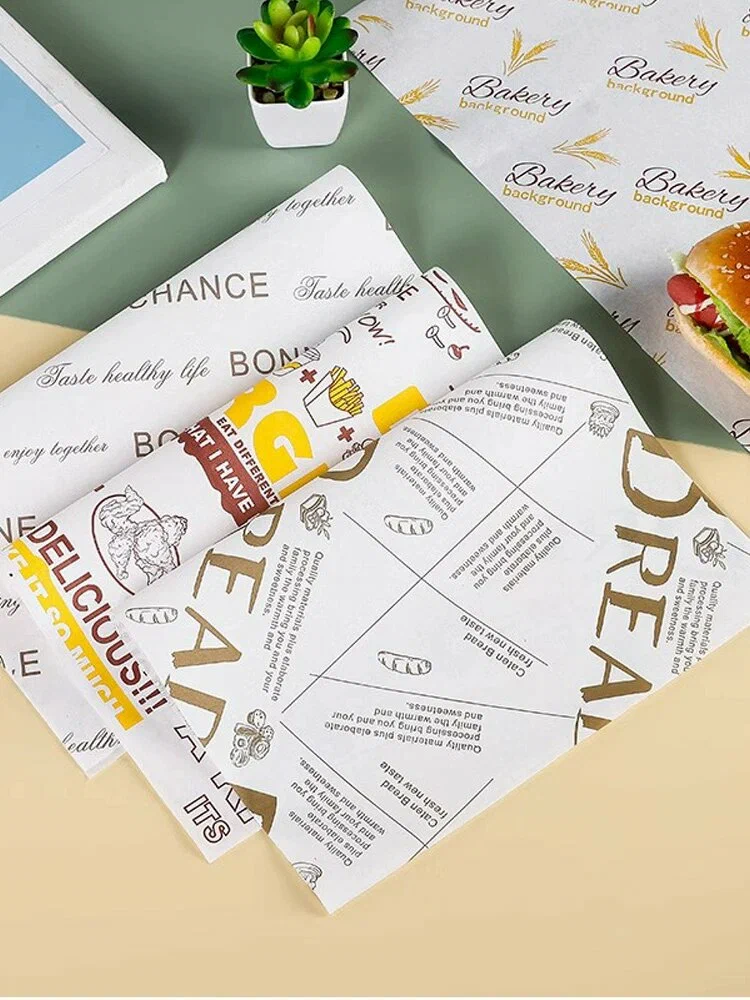
A repeating logo pattern is a popular design because it remains visible regardless of how the paper is folded. Businesses can also incorporate slogans, illustrations, website addresses, social media handles, or seasonal artwork.
Printed paper can make food presentation look more professional. A simple burger placed on branded paper can create a more distinctive appearance than the same product served on plain packaging.
It can also support consistency across a company’s packaging. Matching printed paper with takeaway bags, boxes, cups, and labels can create a unified visual identity.
For restaurants and food brands that rely on takeaway and delivery orders, this additional branding can be especially useful because customers interact with packaging outside the physical restaurant.
Choosing the Right Paper Weight
Paper weight, commonly expressed in GSM, is an important specification when ordering greaseproof paper. Different applications may require different levels of strength and durability.
Current manufacturers advertise greaseproof paper in a range of weights, including approximately 35–55 GSM, while some suppliers offer broader ranges.
Lightweight paper can be suitable for certain bakery and wrapping applications, while heavier grades may provide additional strength for demanding food-service uses.
Grease resistance should also be considered separately from paper weight. A heavier sheet is not automatically the best choice for every greasy food.
Businesses should explain their application to the supplier. Providing information about the type of food, oil content, serving temperature, and expected contact time can help the supplier recommend a suitable grade.
Samples are highly recommended before placing a large order. Testing the paper with actual menu items provides a better understanding of its performance than relying only on specifications.
Printed Greaseproof Paper Roll Applications
Rolls provide a flexible packaging format for businesses that need continuous paper material. They can be used with dispensers, cutting equipment, converting machinery, or other packaging processes.
Commercial rolls are available in different widths and lengths. Manufacturers may also offer jumbo parent rolls for converters and smaller dispenser-ready rolls for restaurants and food-service operations.
Greaseproof rolls can be used for burger wrapping, sandwich wrapping, bakery products, basket liners, tray liners, and other food applications.
Rolls can also be converted into sheets or other packaging products. This makes them useful for manufacturers that need to process paper in-house.
The correct roll specification depends on the equipment and application. Businesses should confirm roll width, length, core size, outer diameter, GSM, and printing requirements before ordering.
How to Choose Greaseproof Paper Roll Suppliers
When comparing greaseproof paper roll suppliers, businesses should look beyond the quoted price. Material quality, manufacturing consistency, printing capabilities, food-contact documentation, minimum order quantities, and production capacity are all important.
Some manufacturers supply jumbo rolls, slit rolls, and pre-cut sheets, while others focus on smaller finished rolls for food-service use. Current supplier listings show options for custom widths, lengths, and printed designs.
Businesses should ask whether the paper is PFAS-free if that specification is important for their application. Some current manufacturers specifically advertise PFAS-free greaseproof paper and mechanical grease resistance without fluorochemical coatings.
It is also important to ask about food-safe printing inks. The supplier should be able to explain whether the ink and paper combination is suitable for the intended food-contact application.
For repeat orders, consistency matters. A reliable supplier should be able to reproduce the same GSM, roll dimensions, printing colors, and grease-resistance performance over time.
Printing and Design Options
Packaging design should balance branding with usability. A repeating logo is one of the simplest and most effective options, but businesses can also use custom patterns, illustrations, slogans, and promotional artwork.
Printing can be available in one, two, four, or more colors depending on the supplier and printing process. Some manufacturers offer flexographic printing, while others provide digital or offset options for particular order sizes.
Businesses should provide high-resolution artwork whenever possible. Vector files are particularly useful for logos because they can be scaled without losing sharpness.
Before production, request a digital proof. Check the logo size, colors, positioning, spelling, and repeat pattern carefully.
It is also important to determine whether printing will appear on the food-contact side or the outside of the paper. The supplier should recommend an appropriate ink and printing configuration for the intended use.
Wholesale Ordering and Custom Sizes
Wholesale ordering is suitable for restaurants, food chains, packaging distributors, and manufacturers that use significant quantities of greaseproof paper.
Large-volume suppliers may offer jumbo rolls, custom slitting, and bulk manufacturing. For example, one current manufacturer advertises custom slitting from 200 mm to 2,200 mm and wholesale production starting at one metric ton.
Smaller businesses may prefer suppliers offering lower minimum order quantities. Current custom-print providers advertise smaller runs for sheets and rolls, so requirements can vary substantially between companies.
When requesting a quote, provide the exact GSM, roll width, roll length, core requirements, printing colors, estimated quantity, and destination.
Also ask about sample availability, production time, packaging, shipping, and payment terms. Comparing the complete landed cost is more useful than comparing the basic paper price.
Finding the Right Supplier for Your Business
The best supplier depends on your packaging volume and production requirements. A small restaurant may need compact printed rolls or pre-cut sheets, while a large packaging converter may require jumbo rolls for high-speed machinery.
Start by requesting samples from potential suppliers. Test grease resistance, paper strength, print quality, cutting performance, and compatibility with your equipment.
Check the supplier’s available certifications and food-contact documentation as well. Current manufacturers advertise standards such as FDA, LFGB, FSC, and PFAS-free production, but businesses should request the relevant documentation for the exact product being purchased.
A reliable supplier should provide clear technical specifications, accurate samples, consistent printing, transparent pricing, and realistic delivery schedules. Good communication is particularly important for custom packaging because small specification differences can affect the finished product.
For restaurants, bakeries, cafés, and food manufacturers, branded greaseproof paper can combine practical food protection with valuable marketing exposure. By selecting the correct material, testing samples, and comparing reliable greaseproof paper roll suppliers, businesses can create packaging that performs well while maintaining a professional appearance. Investing in custom printed greaseproof paper can ultimately turn everyday food wrapping into a consistent and recognizable part of the customer experience.