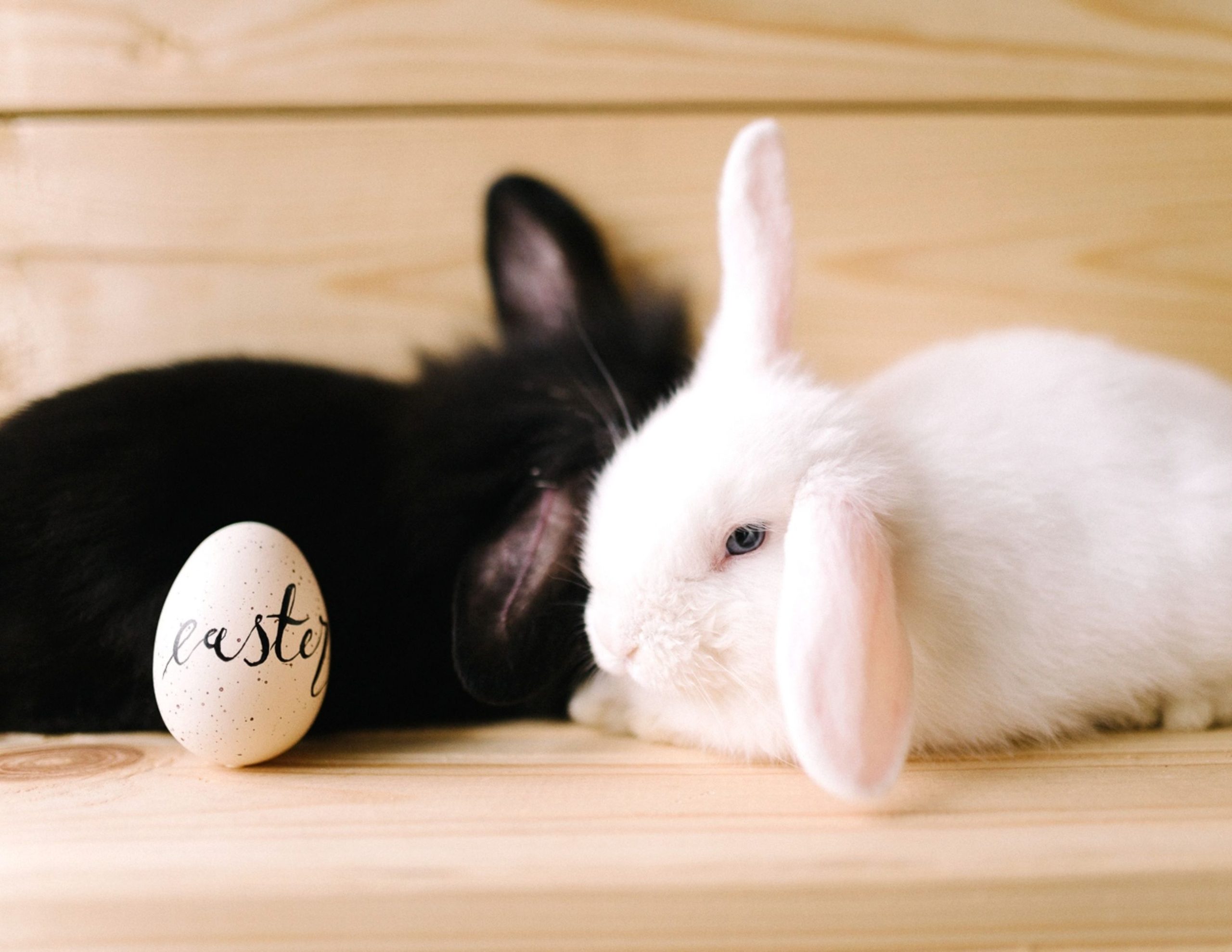
Introduction
The Holland Lop is a small, floppy-eared rabbit known for its compact body, soft coat, and friendly personality. This Holland Lop rabbit is one of the best-known lop-eared rabbit breeds and is popular with families, first-time rabbit owners, and people who want a social indoor pet. A typical Holland Lop has a small size, rounded body, lopped ears, and a gentle nature.
Although these rabbits look easy to care for because of their size, they still need proper food, housing, exercise, grooming, social interaction, and veterinary care. Their teeth grow throughout life, their digestive system needs a high-fiber diet, and their living area must give them enough room to move and explore.
This guide explains the Holland Lop breed from its origins and appearance to its diet, health, cost, training, and daily care. It also explains the difference between a Holland Lop and a Mini Lop so prospective owners can make an informed choice.
Holland Lop Breed History and Origins
The Holland Lop breed was developed in the Netherlands. Breeders worked to create a small rabbit with the distinctive lop ears associated with larger lop breeds. The breed eventually became known for its compact body and friendly personality.
The breed’s development involved larger lop breeds and small dwarf rabbits. The Netherland Dwarf, French Lop, and English Lop are useful names to know when learning about the breed’s background. The American Rabbit Breeders Association later became an important organization for recognized rabbit breeds and standards.
Today, the Holland Lop is generally described as a small rabbit breed and one of the smallest recognized lop-eared types. Its small body does not mean it needs less care. Like other rabbits, it needs space, exercise, companionship, good nutrition, and regular health checks.
The breed’s popularity comes from more than its appearance. A well-socialized rabbit can become a loving pet rabbit that learns routines and interacts closely with people. Individual personality still matters, so owners should judge each rabbit rather than assuming every Holland Lop will behave exactly the same way.
Holland Lop Size, Weight, and Appearance
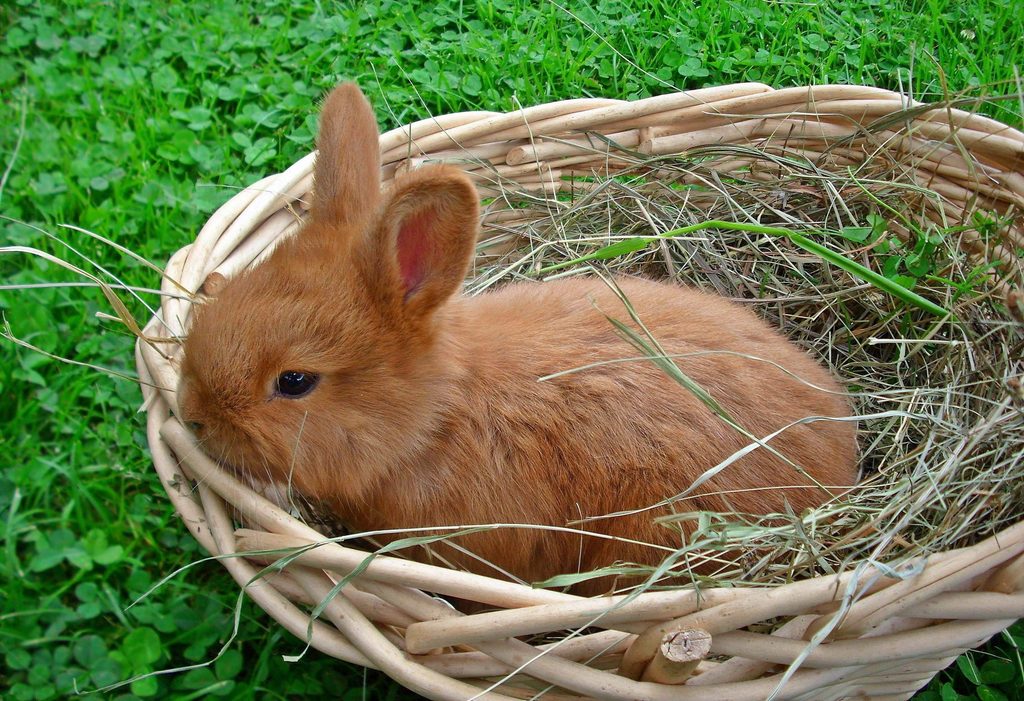
The Holland Lop is a compact rabbit with a rounded body, short-looking head, and long ears that hang down beside the face. A healthy adult commonly weighs around 2 to 4 pounds, although individual rabbits can vary. Because weight alone does not show whether a rabbit is healthy, body condition should also be checked.
Its most recognizable feature is its floppy ears. These lop ears give the breed its classic look and help distinguish it from upright-eared dwarf rabbits. The breed has a small body but a sturdy appearance, which makes it look more substantial than its actual size.
The coat is generally soft and dense. Depending on the individual rabbit, you may see medium-length fur, dense coat, soft coat, rollback fur, or silky fur. Regular care helps keep the coat clean and reduces the risk of matted fur.
Owners should monitor body weight as the rabbit grows. A sudden gain or loss can be a sign that something has changed with diet, activity, or health. A veterinarian can help determine an appropriate weight for an individual rabbit.
Holland Lop Colors and Coat Characteristics
Holland Lops come in many recognized color and pattern varieties. Depending on the rabbit and breed standard, owners may see solid colors, broken patterns, shaded coats, and other combinations.
Color is mostly a matter of appearance, while coat condition is a matter of health and care. A healthy coat should look clean and feel reasonably soft. Dull fur, bald patches, skin irritation, or repeated scratching can indicate a problem that deserves attention.
Their coat also changes during seasonal shedding. During these periods, more loose hair may collect around the rabbit’s body. Regular brushing helps remove loose hair before the rabbit ingests too much of it during normal self-grooming.
A rabbit should never be judged only by its coat color. When choosing a rabbit, look at its overall condition, behavior, eyes, nose, ears, teeth, paws, and movement.
Holland Lop Temperament and Personality
Holland Lop temperament is one of the main reasons people choose this breed. Many are calm, friendly, curious, and playful. A well-socialized rabbit may enjoy sitting near its owner, exploring a safe room, or taking part in interactive play.
They are often described as a social rabbit because they benefit from regular contact and mental stimulation. A rabbit that spends all day alone with nothing to do may become bored or stressed. Daily interaction, toys, exercise, and safe exploration can help meet its behavioral needs.
Some Holland Lops are affectionate and enjoy gentle attention, while others prefer to stay beside their owner rather than being picked up. Rabbits are prey animals, so sudden movements and rough handling can frighten them. Children should always learn how to approach and handle rabbits safely.
Early socialization can make a major difference. Gentle handling, predictable routines, and positive experiences can help a young rabbit become comfortable around people. Never chase a frightened rabbit or force it into an interaction.
Are Holland Lops Good Pets?
For the right household, Holland Lops can make excellent pets. Their small size, friendly personality, and playful behavior are attractive qualities. They can also learn litter box habits and basic daily routines.
However, they are not maintenance-free pets. A Holland Lop needs fresh food and water every day, a clean enclosure, exercise, grooming, enrichment, and attention. Veterinary care can also be more specialized than some new owners expect.
They may be a good starter pet for a responsible adult or family that has learned proper rabbit care. They can also be a good family rabbit, but young children should not be left alone with them. A rabbit is not a toy, and lifting or squeezing it can cause fear or injury.
The best home is one where the rabbit receives daily care and has enough space to move naturally. Owners should think about the long-term commitment before bringing one home.
Holland Lop Lifespan and Life Stages
A Holland Lop lifespan is often described as roughly 7 to 12 years, with individual rabbits varying based on genetics, diet, housing, preventive care, and other factors. One competitor gives a 7 to 10 year estimate, while veterinary guidance may give a longer possible range.
A young rabbit needs a diet and routine suited to its growth stage. An adult rabbit generally needs careful weight control, plenty of grass hay, appropriate pellets, vegetables, water, and exercise. A senior rabbit may need more frequent monitoring for dental, mobility, weight, and other age-related problems.
Good care throughout life can support a healthy bunny, but no diet or routine can guarantee a specific lifespan. Genetics and illness can affect even a well-cared-for rabbit.
How Much Does a Holland Lop Cost?
The Holland Lop price can vary widely depending on location, breeder, age, pedigree, color, quality, and whether the rabbit is being sold as a pet or for showing. Adoption fees can also be different from breeder prices.
The purchase price is only the beginning of the Holland Lop cost. New owners may need an enclosure, litter box, bedding, food bowls, hay, pellets, toys, grooming supplies, and other equipment. Veterinary care, including preventive visits and possible spaying or neutering, should also be included in the budget.
A low purchase price does not necessarily mean a low-cost pet. Food and veterinary care continue for years, so owners should plan for regular expenses and unexpected medical bills.
How to Choose a Healthy Holland Lop
When choosing a Holland Lop, do not focus only on color or cuteness. A healthy rabbit should appear alert and active. Check its eyes, nose, ears, paws, tail area, fur, and teeth where possible.
The eyes should be clear, the nose should not have unusual discharge, and the ears should be clean. Look for clean paws and a clean rear area. The fur should not have large mats, bald patches, or obvious signs of parasites.
Healthy movement is also important. The rabbit should be able to hop and move normally rather than showing obvious weakness or pain. Healthy teeth are especially important because rabbit teeth grow continuously.
Ask about the rabbit’s diet, medical history, vaccinations where relevant, previous veterinary care, and living conditions. A responsible seller or rescue should be willing to answer reasonable questions.
Holland Lop Housing and Enclosure Requirements
A Holland Lop needs a secure enclosure that allows it to stand, stretch, turn, and move comfortably. A small cage that is only large enough for sleeping is not enough for a rabbit’s complete daily needs.
An indoor setup can include a spacious rabbit cage, exercise pen, or X-pen arrangement with a safe area for daily movement. A rabbit hutch may be used in some settings, but outdoor housing requires extra protection from heat, predators, weather, insects, and other risks.
Use suitable rabbit bedding and provide a comfortable resting area. Hiding spaces can help a rabbit feel secure. The litter box should be easy to reach and cleaned regularly.
Good ventilation matters, but the rabbit should not be exposed to strong drafts or extreme temperatures. Rabbits can struggle in hot conditions, so a cool, shaded, well-ventilated environment is especially important.
Holland Lop Exercise and Daily Enrichment
A Holland Lop needs daily activity even though it is small. Rabbit exercise helps support healthy muscles, weight control, digestion, and normal behavior.
Give your rabbit safe time outside its enclosure in a rabbit-proofed area. Supervised exercise can include hopping, exploring tunnels, moving between hiding places, and playing with suitable toys.
Daily playtime is also useful for mental health. Rabbits are naturally curious and need opportunities to investigate their surroundings. Safe rabbit enrichment can include tunnels, cardboard items, chew toys, and simple food-search games.
Provide wooden blocks or other safe chew materials to support normal chewing behavior. Rabbits have natural chewing instincts, and their constantly growing teeth need appropriate wear.
What Should a Holland Lop Eat?
A good Holland Lop diet is based on high-fiber foods. Grass hay should be available regularly, often freely, because fiber supports normal digestion and dental wear. Timothy hay is a common choice for adult rabbits.
Appropriate rabbit pellets can provide useful nutrients, but pellets should not replace hay. Fresh leafy greens can be offered as part of a balanced diet, while treats should remain limited.
Fresh water should always be available. Good hydration supports normal body functions and digestive health.
The right diet also depends on age, health, weight, and individual needs. Young rabbits may have different nutritional requirements from adults, so a veterinarian can provide more specific guidance.
Holland Lop Feeding Guide and Portion Basics
A practical Holland Lop feeding guide starts with unlimited grass hay for most healthy adult rabbits. Hay should make up the main part of the diet rather than being treated as an occasional food.
Pellets should be measured rather than poured into a bowl without limits. The correct amount depends on the rabbit, the pellet formula, age, activity, and body condition. A veterinarian can help determine an appropriate daily amount.
Fresh leafy greens can be introduced gradually. If a new food causes soft stool or digestive upset, stop that food and seek veterinary advice if symptoms continue.
A simple routine is to provide hay and fresh water throughout the day, measured pellets as appropriate, and a suitable amount of fresh greens. Treats should remain small and occasional.
Safe Foods and Treats for Holland Lops
Safe foods can include suitable leafy greens and small amounts of rabbit-safe vegetables. Some rabbits also enjoy a small piece of carrot or fruit as a treat. Carrot and fruit should not become major parts of the diet because they contain more sugar than hay.
Rabbit treats should be limited. Treats are useful for bonding and training, but too many can contribute to weight gain and digestive problems.
Introduce new foods slowly. Rabbits have sensitive digestive systems, so sudden changes are best avoided.
The main focus should remain on hay, suitable pellets, fresh greens, and water. A balanced diet is more important than giving a rabbit a large variety of treats.
Foods Holland Lops Should Never Eat
Some foods can be unsafe for rabbits, while others can upset digestion if given in large amounts. Avoid feeding processed human foods, sugary snacks, and foods that are toxic to rabbits.
Corn is specifically discussed by veterinary sources as a food that should not be fed to rabbits. Alfalfa also needs special consideration. Alfalfa hay and alfalfa pellets are richer than typical grass hay and may be suitable in some young or specific rabbits, but they are not automatically the best everyday choice for every adult rabbit.
Avoid making a rabbit’s diet too high in fat, starch, or sugar. The diet should provide adequate protein, plenty of fiber, appropriate calcium, necessary vitamins, and only a small sodium contribution.
When unsure about a food, ask a rabbit-experienced veterinarian before offering it.
Holland Lop Grooming and Coat Care
A Holland Lop’s coat benefits from regular grooming. Weekly brushing can help remove loose hair and keep the coat in good condition. During heavy shedding, more frequent brushing may be needed.
Regular grooming is especially important when a rabbit develops matted fur. Mats can trap moisture and dirt close to the skin. Never pull hard at a mat because this can hurt the rabbit.
A rabbit should not normally be given a full bath. Rabbits can become frightened when immersed in water, and getting wet can create additional risks. Spot cleaning and careful grooming are usually better approaches when appropriate.
Rabbit grooming also includes checking the ears, skin, eyes, teeth, rear area, and nails. Grooming is a good chance to notice small changes before they become larger problems.
Holland Lop Litter Training Tips
Many Holland Lops can learn to use a rabbit litter box. Start with a box placed where the rabbit naturally prefers to eliminate.
Use safe rabbit litter and keep the box clean. A clean litter box encourages good habits, while a dirty box may lead to accidents.
Some owners use a litter box grate or similar setup to help keep the rabbit away from wet material. This can be useful for rabbits that have a habit of getting a soiled bottom, but the setup should remain safe and comfortable.
Reward good behavior with calm praise or a tiny appropriate treat. Avoid punishment for accidents because it can create fear rather than improve training.
Holland Lop Dental and Nail Care
Dental care is a major part of rabbit care. Rabbit teeth continue growing, so constant access to high-fiber hay helps support normal tooth wear. Safe chew toys can provide additional enrichment.
Watch for signs such as difficulty eating, dropping food, excessive drooling, weight loss, or changes in normal chewing. These can indicate dental problems and should be discussed with a veterinarian.
Rabbit nails also need regular checking. Long nails can affect movement and may become uncomfortable or catch on flooring.
Nail clipping should be done carefully because each nail contains a blood vessel and nerve. If you are unsure how to trim them, ask a veterinary professional to demonstrate.
Common Holland Lop Health Problems
Like other rabbits, Holland Lops can develop dental disease, digestive problems, parasites, skin problems, and other illnesses. Intestinal parasites are one possible health concern, although the risk varies with environment and exposure.
Dental disease is particularly important because rabbit teeth grow throughout life. A rabbit that suddenly stops eating can become seriously ill because its digestive system depends on regular food movement.
Hair ingestion can also become a concern during shedding. Regular grooming can reduce loose hair, but rabbits naturally swallow some hair while grooming themselves.
Watch for changes in appetite, droppings, energy, breathing, weight, and behavior. A normally active rabbit that becomes quiet or refuses food should not simply be watched for days. Contact a rabbit-experienced veterinarian promptly.
Holland Lop Veterinary Care and Prevention
Routine veterinary care can help detect problems early. A yearly visit may be suitable for many healthy adult rabbits, while older rabbits or rabbits with ongoing medical conditions may need more frequent checks.
A veterinary examination can include the teeth, ears, eyes, weight, heart, lungs, skin, digestive health, and general body condition. Your veterinarian can also discuss parasite prevention and other health concerns.
Rabbit medicine should only be used under veterinary guidance. Never give human medicine to a rabbit unless a veterinarian specifically tells you to do so.
Spaying and neutering can be important parts of responsible rabbit ownership. Spaying a female rabbit and neutering a male can prevent unwanted litters and may provide health or behavior benefits. Discuss the timing and risks with a rabbit-experienced veterinarian.
Do Holland Lops Need a Companion?
Rabbits are social animals, but companionship should be planned carefully. Some rabbits can form strong bonds with another compatible rabbit, while others may receive much of their interaction from people.
If you introduce two rabbits, do not simply place them together and assume they will get along. Bonding should be gradual and supervised, with safe spaces available for each animal.
A human family can also provide meaningful interaction through calm handling, play, training, and daily routines. A rabbit should not spend most of its time isolated without enrichment.
The right choice depends on the rabbit, household, available space, and owner’s ability to manage introductions and ongoing care.
Are Holland Lops Good With Children?
A Holland Lop can live successfully with a family, but children need to understand rabbit behavior. Rabbits have fragile bodies and can become frightened when chased, squeezed, carried incorrectly, or startled.
For this reason, a Holland Lop should not be treated as a pet that children can handle whenever they want. Adults should supervise young children and teach them to sit quietly, allow the rabbit to approach, and use gentle strokes.
Families should also remember that rabbits are often most comfortable interacting at floor level. A child can sit beside the rabbit and offer a suitable toy or small treat rather than trying to pick it up.
This makes the rabbit safer and often creates a stronger bond.
Holland Lop vs. Mini Lop
The Holland Lop vs. Mini Lop question causes confusion because both breeds have floppy ears and similar names. They are not simply two names for the same rabbit.
The Holland Lop is smaller, while the Mini Lop is a larger lop breed. The two can also differ in body shape, breed standards, and typical weight. A Mini Lop should therefore not be advertised as a Holland Lop simply because both have lop ears.
If size matters to you, confirm the rabbit’s breed and expected adult weight before purchase. Reputable breeders and rabbit rescues should be able to explain what they know about the rabbit’s background.
Indoor vs. Outdoor Holland Lop Living
Indoor living is often a practical choice because it allows owners to monitor food intake, droppings, behavior, and temperature more easily. An indoor rabbit can also receive regular human interaction and supervised exercise.
Outdoor living creates additional challenges. A rabbit needs protection from predators, insects, extreme heat, cold, rain, and unsafe plants or materials. A basic rabbit hutch is not enough if it does not provide secure, comfortable, weather-protected space.
For either setup, the rabbit needs clean housing, fresh water, proper food, exercise, hiding areas, and protection from hazards.
Holland Lop Pros and Cons
The main advantages of a Holland Lop include its small size, distinctive appearance, social personality, and playful behavior. Many owners enjoy their gentle nature and the strong bond that can develop through daily interaction.
There are also challenges. They need daily care, regular grooming, appropriate food, exercise, dental support, and veterinary attention. Their small body does not mean they are a low-maintenance pet.
Another important point is that personality varies. Some rabbits are very affectionate, while others are more independent. Choosing a rabbit based only on appearance can lead to disappointment if the owner’s expectations do not match the animal’s individual nature.
For someone prepared to provide long-term care, the breed can be a rewarding companion.
How to Rabbit-Proof Your Home
Before allowing a Holland Lop to explore your home, inspect the area from the rabbit’s point of view. Rabbits may chew electrical cords, furniture, carpets, baseboards, and other household items.
Cover or remove electrical wires and block access to unsafe spaces. Keep toxic plants, chemicals, medicines, and small objects away from the rabbit.
Provide safe alternatives such as tunnels, cardboard items, chew toys, and appropriate wooden toys. A rabbit that has interesting things to explore is less likely to focus entirely on furniture.
Supervise free-roam time until you know exactly how your rabbit behaves. Even a calm rabbit can quickly find a new object to chew.
Holland Lop Care Throughout the Year
Good Holland Lop care stays consistent throughout the year, but some tasks need extra attention at different times. During shedding periods, brushing may need to increase. During hot weather, temperature control becomes especially important because rabbits can be sensitive to heat.
In colder weather, outdoor rabbits need safe protection from cold, damp conditions and strong winds. Indoor rabbits still need normal exercise and enrichment throughout the year.
Keep a simple routine for feeding, cleaning, grooming, exercise, and health checks. Regular observation makes it easier to notice changes in behavior, appetite, droppings, weight, or appearance.
The best care is not complicated, but it does require consistency. A Holland Lop depends on its owner for the right environment, diet, safety, companionship, and medical attention.
Conclusion
The Holland Lop is a small, distinctive, and often affectionate rabbit that can become a wonderful companion when given proper care. Its floppy ears, compact body, soft coat, and generally friendly personality explain why it remains a popular lop-eared rabbit breed.
However, responsible ownership involves more than choosing a cute rabbit. A Holland Lop needs high-fiber food, fresh water, safe housing, daily exercise, enrichment, grooming, dental care, nail care, and appropriate veterinary support. Owners should also understand the ongoing financial and time commitment before bringing one home.
Whether you are considering adoption, buying from a breeder, or already caring for a rabbit, focusing on health and daily needs will give your Holland Lop the best chance of a long and comfortable life.
FAQs
How big does a Holland Lop get?
A typical adult Holland Lop is a small rabbit and commonly weighs around 2 to 4 pounds. Individual size can vary, so body condition is more useful than weight alone when assessing health.
How long do Holland Lops live?
A Holland Lop may live around 7 to 12 years, although lifespan varies between individual rabbits. Genetics, diet, housing, exercise, preventive care, and medical treatment can all influence longevity.
What do Holland Lops eat?
An adult Holland Lop diet should center on grass hay, with suitable rabbit pellets, fresh leafy greens, limited treats, and constant access to fresh water. Timothy hay is a common grass-hay choice.
Are Holland Lops good for beginners?
They can be suitable for responsible first-time owners who learn proper rabbit care. They still require daily feeding, cleaning, exercise, grooming, enrichment, and veterinary care.
Do Holland Lops like to be held?
Some do, but not every rabbit enjoys being picked up. Many rabbits prefer interacting with people at floor level. Always handle them gently and support their body properly.
Are Holland Lops good with children?
They can be good family pets when children are taught safe handling and adults provide supervision. Young children should never be allowed to chase, squeeze, or carry a rabbit without help.
What is the difference between a Holland Lop and a Mini Lop?
A Holland Lop is smaller than a Mini Lop, although both are lop-eared breeds. Their breed standards, body size, and typical weight differ.
Do Holland Lops need another rabbit?
Rabbits are social, and some benefit greatly from a compatible rabbit companion. However, introductions should be gradual and supervised. Human interaction, exercise, and enrichment are also important.
How often should you groom a Holland Lop?
Weekly brushing is a useful general routine, with more frequent grooming during heavy shedding. Check the coat regularly for mats, dirt, and skin changes.
Can Holland Lops live indoors?
Yes. Indoor living can provide a safe environment where owners can monitor the rabbit closely. The rabbit still needs a spacious enclosure, exercise area, enrichment, and rabbit-proofed space.
What foods should Holland Lops avoid?
Avoid toxic plants, processed human foods, sugary snacks, and inappropriate foods such as corn. Rich foods such as alfalfa-based products should be used according to the rabbit’s age and veterinary or nutritional needs rather than as an automatic adult diet.
When should a Holland Lop see a veterinarian?
Routine veterinary examinations are important, and urgent attention is needed when a rabbit stops eating, becomes unusually quiet, has major changes in droppings, struggles to breathe, or shows signs of pain or illness. Rabbit medicine should only be given under professional guidance.
1. Holland Lop: Complete Guide to Care, Diet, Health, and Temperament
Meta Description: Learn about Holland Lop rabbits, including their size, personality, diet, grooming, housing, health needs, lifespan, and tips for first-time owners.
2. Holland Lop: Everything to Know Before Bringing One Home
Meta Description: Discover Holland Lop care, temperament, feeding, grooming, housing, exercise, health, lifespan, and costs before choosing this popular rabbit breed.
3. Holland Lop: Size, Personality, Lifespan, Diet, and Care Guide
Meta Description: Explore Holland Lop size, personality, lifespan, diet, grooming, exercise, housing, health concerns, and essential care tips for a happy, healthy rabbit.
4. Holland Lop: Is This Small Rabbit Breed Right for You?
Meta Description: Find out if a Holland Lop is right for you with this guide to temperament, size, diet, grooming, housing, exercise, health, and daily care needs.
5. Holland Lop: Breed Facts, Feeding Guide, Health, and Ownership Tips
Meta Description: Get essential Holland Lop breed facts, feeding advice, grooming tips, housing needs, health information, costs, and ownership guidance in one guide.