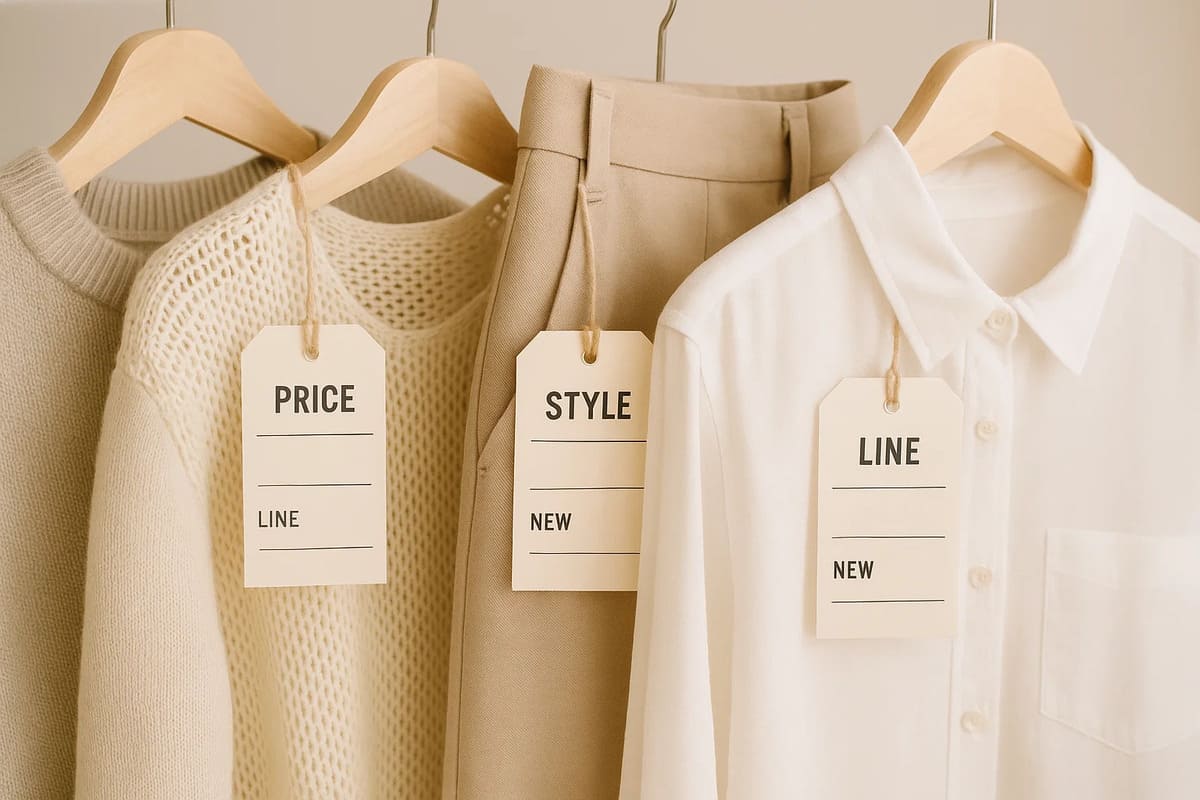
Finding the right custom apparel tags changes how people see a clothing brand. Small details matter a lot when building a clothing line because labels carry brand identity and essential information for buyers. Every garment needs a proper tag to look finished and professional. Customers notice quality labels right away when they touch a new shirt or jacket. Choosing suitable materials helps clothes stand out on crowded retail shelves. Brands use these small markers to share care instructions and story elements with shoppers everywhere. Making smart choices about labels brings long-term success to any apparel business.
Material And Texture
Cotton woven options offer soft feelings against skin while holding rich colors for years. Leather patches bring rugged charm to denim jackets and heavy canvas bags without adding too much weight. Satin finishes provide smooth touches for luxury wear items like evening gowns and silk blouses. Paper cardstock choices work well for hanging swing Custom apparel tags no minimum on retail items before purchase takes place. Each fabric type interacts differently with dyes and sewing threads during production stages. Selecting proper textures ensures garments feel comfortable while maintaining durability through multiple wash cycles.
Printing And Branding
Foil stamping adds shiny metallic touches that catch studio lighting nicely on display boards. Screen printing methods push thick inks deep into fabric fibers for lasting visual depth. Raised silicone logos create modern tactile experiences that younger shoppers find very appealing today. Debossed leather stamps give subtle rustic vibes to outdoor gear and heavy winter wear collections. Color matching ensures brand consistency across every single batch of clothing produced each season. Clean typography makes reading size numbers and washing instructions easy for every customer.
Sourcing And Supply
Independent labels often seek out custom apparel tags wholesale options to lower production expenses significantly. Buying larger quantities usually unlocks better pricing tiers for growing fashion businesses around the world. Local suppliers offer faster shipping times while international manufacturers provide unique specialty weaving techniques. Communication remains vital when placing bulk orders to avoid costly mistakes on final delivered goods. Factory partnerships take time to build but pay off through reliable quality control over years. Smart inventory management prevents running out of essential branding elements during peak retail seasons.
Global Market Access
European fashion houses frequently order custom apparel tags UK supplies due to strict environmental standards. British manufacturing hubs deliver high-quality organic cotton labels that appeal to eco-conscious buyers. Shipping logistics require careful planning when moving goods across international borders and customs checkpoints. Tariffs and import duties can alter total project budgets if ignored during initial financial planning phases. Local regulations dictate what information must appear on garment labels for legal compliance reasons. Working with experienced global vendors simplifies the complex process of international clothing distribution.
Retail Visual Display
Store owners pay close attention to custom apparel tag display techniques inside physical boutiques. Hanging swing labels near neckline areas draws customers’eyes toward pricing and sizing details instantly. Clean presentation methods elevate the perceived value of simple T-shirts and hoodies. Creative packaging designs often incorporate matching tags to create unboxing experiences that shoppers remember fondly. Window displays highlight unique branding elements to pull passersby into retail spaces effectively. Thoughtful placement turns functional information tags into powerful visual merchandising tools.
Flexible Production Runs
Startups usually benefit from custom apparel tags with no minimum order policies when testing new designs. Small batch testing lets creators see physical results before committing thousands of dollars to inventory. Limited edition drops require flexible manufacturing partners who handle small quantities without charging exorbitant setup fees. Scaling up production happens naturally as brand popularity grows and customer demand increases steadily over time. Avoiding massive upfront commitments protects new entrepreneurs from financial strain during early business phases. Flexibility allows creative teams to pivot designs quickly based on real market feedback.
Digital Logo Integration
Translating digital files into physical threads requires precise custom apparel tags with logo accuracy. Vector graphics ensure sharp lines appear clearly even on tiny woven labels sewn into collars. Graphic designers must simplify complex artwork so tiny sewing machines replicate every detail properly. Digital proofs help spot alignment errors before mass production begins in manufacturing facilities. Matching exact brand Pantone colors digitally prevents unwanted hue shifts during the physical weaving process. High-resolution planning guarantees that logos look crisp and professional on every garment.
Specialized Identity Options
Boutique owners often prefer ordering specifically tailored customised apparel tags for unique handmade items. Artisans appreciate having total control over font choices and background colors for their crafts. Custom Tags wholesale add sentimental value to garments made for special occasions or gifts. Independent makers use small apparel tags to maintain a minimalist aesthetic on delicate garments. Distinctive labeling helps differentiate one designer collection from another in competitive marketplaces. Customisation options give creators the freedom to express their unique artistic visions fully.
Conclusion
Building a successful clothing brand requires attention to every minor detail, including labels and packaging elements. Selecting appropriate materials ensures garments remain comfortable while displaying vital care instructions clearly. Smart sourcing strategies help businesses manage expenses effectively while scaling up production volumes over time. Thoughtful design choices elevate ordinary clothing items into memorable fashion pieces that buyers cherish. Investing time in finding the perfect custom apparel tags transforms standard garments into professional products ready for any market.