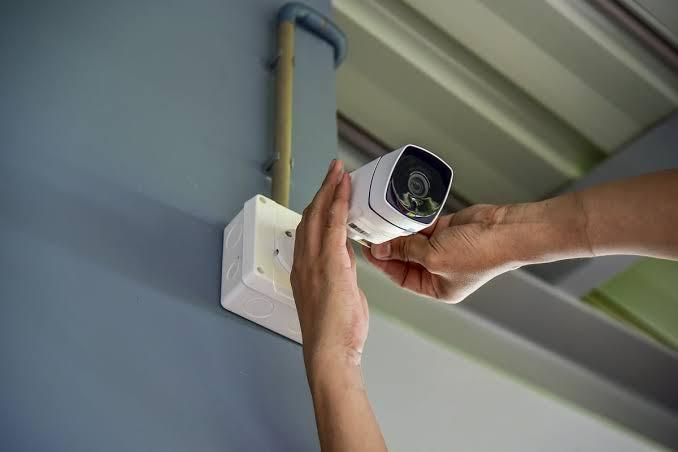
Security has become an important consideration for businesses, homeowners, and property managers. Whether it is an office, retail shop, warehouse, residential building, or commercial facility, knowing what happens around a property can make a significant difference. Unmonitored entrances, parking areas, storage rooms, and other vulnerable locations may create opportunities for theft, unauthorised access, and other security incidents.
Modern surveillance technology offers more than basic video recording. Today’s CCTV solutions can provide high-resolution footage, remote viewing, motion detection, night vision, and intelligent monitoring features. When these technologies are selected and installed correctly, they help property owners maintain better visibility and respond more effectively to security concerns.
For organisations and residents looking to improve their protection, professional cctv camera installation abu dhabi is an important step towards building a reliable surveillance environment.
Why Is CCTV Surveillance Important for Modern Properties?
A security camera system provides visual coverage of selected areas, helping property owners understand what is happening around their premises. Cameras positioned at entrances, corridors, reception areas, parking facilities, and storage locations can help monitor daily activity.
For businesses, surveillance can support the protection of valuable equipment, inventory, and workplace assets. Retail stores may use cameras to monitor customer areas and payment counters, while warehouses can keep an eye on loading zones and restricted storage sections.
Residential properties benefit as well. Cameras covering entrances, gates, garages, and outdoor spaces can help residents monitor visitors and identify unusual activity.
Another important advantage is recorded evidence. If an incident occurs, authorised personnel may be able to review available footage to understand what happened and when it took place. However, the usefulness of recordings depends on camera positioning, image quality, storage settings, and retention policies.
Which CCTV Camera Types Should You Consider?
Choosing surveillance equipment requires understanding the environment in which it will operate. Different cameras are designed for different viewing conditions and monitoring requirements.
Dome cameras: These cameras are commonly installed indoors, including offices, shops, reception areas, and corridors. Their compact design makes them suitable for locations where a discreet installation is preferred.
Bullet cameras: Their visible design makes them useful for monitoring entrances, building exteriors, parking areas, and other outdoor locations. Many models include weather-resistant housings.
PTZ cameras: Pan-Tilt-Zoom cameras allow operators to adjust the viewing direction and zoom level remotely. They can be useful for larger areas where flexible monitoring is required.
IP cameras: Internet Protocol cameras transmit video over a network and may offer high-resolution recording, remote access, and integration with other security technologies.
Night-vision cameras: These cameras use infrared technology or other low-light features to capture images when lighting conditions are limited.
The right choice depends on the property’s layout, lighting conditions, required image detail, and surveillance objectives. A professional site assessment can help determine which combination is appropriate.
Why Does Camera Placement Matter More Than You Think?
Even high-quality cameras may fail to provide useful footage when they are positioned incorrectly. Installation planning should focus on the areas that genuinely require monitoring rather than simply increasing the number of devices.
Entrances and exits are often priorities because they help capture people entering or leaving the property. Parking areas may require wider coverage, while reception desks and cash-handling locations may need more detailed views.
Camera height and angle should also be considered. Installing a camera too high may make it difficult to identify important details, while an unsuitable angle can create blind spots or excessive glare.
Lighting is another important factor. Outdoor cameras may face strong sunlight, shadows, vehicle headlights, or changing weather conditions. Indoor cameras can struggle with bright windows or poorly illuminated corners.
A planned layout helps balance coverage, image quality, and installation costs.
Can Modern CCTV Systems Be Monitored Remotely?
Remote monitoring has made surveillance more convenient for property owners and business managers. Depending on the system, authorised users can view live camera feeds through a computer, smartphone, or dedicated monitoring application.
This can be particularly useful for businesses operating across multiple locations. A manager may be able to check selected areas without physically visiting every site.
Some systems also support motion alerts and intelligent video analytics. These features can notify users when configured events occur, such as movement in a restricted area or activity outside normal operating hours.
However, remote access should be configured carefully. Strong passwords, restricted user permissions, secure network connections, and updated software are important for protecting surveillance systems against unauthorised access.
Remote monitoring also does not replace the need for a responsible security response. Businesses should establish procedures for reviewing alerts and handling incidents.
What Should Businesses Know About CCTV Storage and Data Security?
A surveillance system is only useful when recordings are available when needed. Businesses should therefore plan storage capacity according to the number of cameras, video resolution, recording schedule, frame rate, and desired retention period.
Many systems use Network Video Recorders (NVRs) or Digital Video Recorders (DVRs), depending on the camera technology. Some solutions also support network or cloud-based storage.
Storage planning should include regular checks to confirm that cameras are recording correctly and that important footage can be retrieved. Businesses should also restrict access to recordings and establish clear procedures for sharing or exporting video.
Privacy and regulatory compliance are equally important. Organisations in Abu Dhabi should ensure that surveillance arrangements follow applicable UAE requirements and relevant authority guidance. Cameras should be positioned for legitimate security purposes, with appropriate attention to privacy and access to recorded information.
Why Is Professional CCTV Installation Worth Considering?
A dependable surveillance setup requires more than connecting cameras to a recording device. It involves planning, equipment selection, cabling, network configuration, storage setup, and testing.
Professional installers begin by assessing the property and identifying areas that require monitoring. They then recommend suitable camera types, determine installation positions, and plan the required infrastructure.
After installation, each camera should be tested for viewing angle, image quality, night-time performance, and recording functionality. Remote access and user permissions should also be configured where required.
Maintenance is important for long-term reliability. Dust, heat, loose connections, damaged cables, and outdated software can affect performance. Periodic inspections, lens cleaning, storage checks, and system updates help keep the surveillance environment functioning properly.
Businesses seeking reliable security solutions can explore AMJ Technology Solutions. Its CCTV services include installation and maintenance solutions for residential and commercial properties across Abu Dhabi, Dubai, and the UAE.
How Can You Choose the Right CCTV Installation Provider?
Before selecting a provider, consider its technical experience, equipment options, installation process, and after-sales support. Ask whether the company conducts site surveys, provides customised camera layouts, and explains storage and maintenance requirements.
It is also useful to discuss warranty coverage, replacement parts, remote monitoring options, and future expansion. A suitable provider should recommend equipment based on actual security requirements rather than simply proposing the largest number of cameras.
For regulated installations, confirm that the proposed system and installation arrangements meet the applicable authority requirements.
Conclusion
Effective surveillance depends on choosing suitable equipment, planning camera positions, protecting recorded information, and maintaining the system regularly. Modern CCTV technology gives businesses and homeowners better visibility of their properties while supporting wider security procedures.
Professional cctv camera installation abu dhabi can help create a surveillance setup that addresses specific property risks and operational needs. With proper planning and ongoing maintenance, a well-designed CCTV system can become a valuable part of a property’s long-term security strategy.