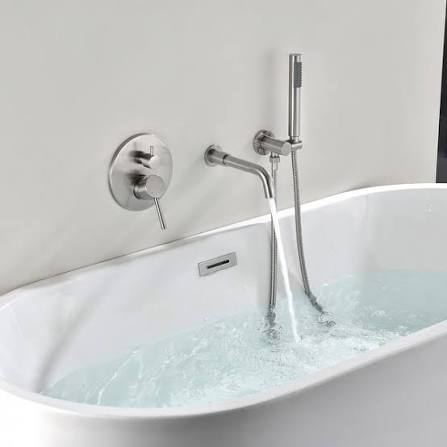
A bathtub faucet should stop delivering water as soon as it is turned off. But what happens when you close the handle and water continues flowing from the spout? This common plumbing problem can be frustrating, waste water, increase utility bills, and potentially lead to damage if the leak is left unattended.
A bathtub faucet turned off but water still running usually indicates that an internal faucet component is no longer creating a proper seal. The cause could be a worn cartridge, damaged washer, faulty valve seat, or mineral buildup. Although some problems are relatively simple to repair, others require professional plumbing attention.
Understanding why a bathtub faucet continues running can help homeowners respond quickly, avoid unnecessary water waste, and protect their property’s condition.
Why Does Water Keep Running After the Bathtub Faucet Is Turned Off?
Bathtub faucets contain internal components that control water flow and temperature. When you turn the handle to the off position, these components should close the water passage and stop the flow.
If water continues coming out, one or more parts may be worn, damaged, or obstructed.
Here are five common reasons this happens.
1. Worn or Damaged Faucet Cartridge
Many modern bathtub faucets use cartridges to control water flow. These cartridges contain internal seals and moving components that regulate how much water passes through the fixture.
With regular use, the seals can deteriorate, crack, or lose their ability to close tightly. When this happens, water may continue flowing even when the handle is turned off.
A damaged cartridge is one of the most common reasons a single-handle bathtub faucet develops a persistent leak. Replacing it with the correct manufacturer-approved part may resolve the issue.
2. Deteriorated Rubber Washers
Older compression-style faucets often use rubber washers to create a watertight seal. When the handle is turned off, the washer presses against a valve seat to stop water flow.
Over time, rubber washers can become brittle, flattened, or cracked. Once they lose their shape, they may allow water to pass through the valve.
A plumber can inspect the washer and determine whether replacement is sufficient or whether other components have also been damaged.
3. Corroded Valve Seat
The valve seat provides the surface against which certain faucet components press to stop water flow. Mineral deposits, corrosion, and everyday wear can gradually damage this surface.
A damaged valve seat may prevent a new washer from sealing properly. This means that replacing the washer alone might not fix the leak.
Professional inspection can help determine whether the valve seat needs cleaning, resurfacing, or replacement.
4. Mineral Deposits Inside the Faucet
Homes with hard water may experience mineral buildup inside plumbing fixtures. Calcium and other deposits can accumulate around moving components, seals, and valve openings.
This buildup can interfere with the faucet’s operation and prevent it from closing completely. Homeowners may also notice stiff handles, reduced water flow, or difficulty adjusting water temperature.
Regular fixture maintenance and timely repairs can help prevent mineral deposits from causing more serious problems.
5. Faulty Handle or Valve Mechanism
Sometimes the internal faucet components are not the only problem. A loose handle, stripped connection, or damaged valve stem may prevent the faucet from reaching its fully closed position.
Trying to force the handle into place can make the damage worse. If the handle feels unusually loose, stiff, or difficult to operate, have the mechanism checked.
What to Do When Your Bathtub Faucet Will Not Stop Running
If water continues flowing after you turn off the faucet, do not ignore it. Start with a few practical steps.
Check the handle position. Make sure the handle is completely in the off position. Avoid applying excessive force, especially if it feels stuck.
Observe the water flow. A few drops immediately after shutting off the faucet may simply be leftover water draining from the spout. Continuous dripping or a steady stream suggests a problem that needs attention.
Look for additional leaks. Examine the faucet handles, tub spout, wall opening, and nearby plumbing connections for visible moisture.
Limit water waste. If the faucet continues running heavily, use an accessible shutoff valve if you know how to operate it safely. If you cannot stop the water, contact a qualified plumber promptly.
Arrange a professional repair. A plumber can determine whether the cartridge, washer, valve seat, or another component needs replacement.
Can a Running Bathtub Faucet Cause Water Damage?
Yes. Even a small leak can become a larger concern when it continues for an extended period.
Water escaping from a faucet or a concealed plumbing connection may affect surrounding walls, floors, and other building materials. Depending on the location and severity, possible consequences include:
- Water stains on bathroom walls and ceilings.
- Deterioration of drywall and wood materials.
- Damage to flooring, cabinets, and nearby fixtures.
- Persistent moisture that encourages mold growth.
- Increased household water consumption and utility costs.
Hidden leaks deserve particular attention because water may travel behind walls or beneath flooring without being immediately visible.
Watch for peeling paint, bubbling drywall, soft flooring, unexplained dampness, and musty odors. These warning signs may indicate that moisture has spread beyond the faucet itself.
If you suspect a concealed leak, arrange a professional plumbing evaluation. A qualified inspector may also help identify visible moisture damage during a home inspection, although specialized leak detection may require a separate service.
When Should You Call a Professional Plumber?
A minor drip may not require an emergency visit, but a faucet that continues running should be addressed promptly.
Contact a qualified plumber if:
- Water continues flowing after the handle is fully closed.
- The faucet handle is loose, stuck, or difficult to turn.
- Replacing a cartridge or washer does not resolve the problem.
- You notice moisture around the faucet or behind the wall.
- The bathroom has persistent dampness or a musty smell.
- Water suddenly begins flowing continuously.
A professional can inspect the faucet assembly, identify the source of the problem, and recommend the appropriate repair. Avoid dismantling unfamiliar plumbing fixtures, especially when the water supply cannot be isolated safely.
How to Prevent Bathtub Faucet Leaks
Preventive maintenance can help homeowners identify plumbing problems before they become expensive repairs.
- Operate handles gently: Avoid forcing faucet handles into the closed position.
- Repair small leaks early: Do not allow persistent dripping to continue for weeks.
- Watch for mineral buildup: Pay attention to stiff handles and changes in water flow.
- Inspect visible plumbing: Check nearby connections and accessible areas for corrosion or moisture.
- Replace worn components: Have deteriorating washers, O-rings, and cartridges repaired when necessary.
- Monitor water bills: Unexpected increases in water usage may indicate a hidden plumbing leak.
These simple habits can help extend the life of bathroom fixtures and reduce the risk of preventable water damage.
Why Plumbing Problems Matter During a Home Inspection
A bathtub faucet that will not shut off may be an isolated plumbing issue, but it can also reveal broader maintenance concerns.
During a professional home inspection, visible plumbing fixtures and accessible components can be evaluated for signs of leakage, improper operation, and other observable defects. An inspector may also identify visible moisture damage around bathroom fixtures.
For homebuyers, this information can help reveal maintenance concerns before closing. For sellers, addressing known plumbing issues before listing a property may help reduce unexpected repair discussions during the transaction.
A standard home inspection does not involve dismantling plumbing systems or guaranteeing that concealed leaks will be discovered. When a specific plumbing defect is suspected, a licensed plumber or specialized leak detection professional may be needed.
Homeowners in Florida can also benefit from periodic property inspections to identify visible maintenance concerns before they develop into more costly problems.
Conclusion
When a bathtub faucet continues running after being turned off, the problem may involve a worn cartridge, damaged washer, corroded valve seat, or faulty handle mechanism. Although the issue may initially seem minor, ignoring it can waste water and contribute to moisture-related damage.
The best solution is to identify the cause early, arrange the appropriate plumbing repair, and check the surrounding area for signs of water intrusion. With timely maintenance and professional assistance when necessary, homeowners can keep bathroom fixtures working properly and help protect their property’s long-term condition.