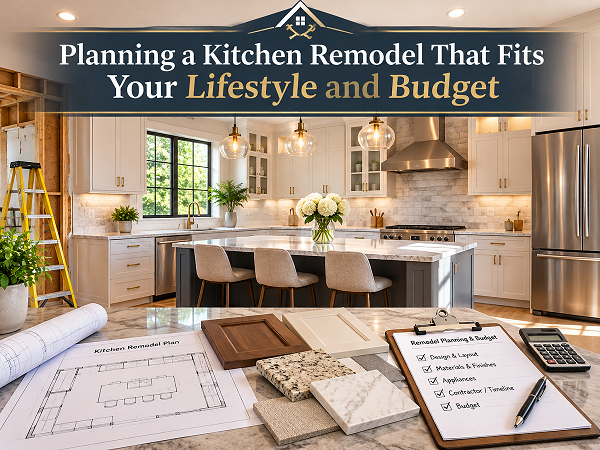
A kitchen should make cooking, cleaning, and family activities easier. However, many kitchens have limited storage, outdated countertops, poor lighting, and layouts that make daily tasks uncomfortable. These problems can become more noticeable as household needs change. Kitchen remodeling can improve how the room looks and functions. New cabinets, better lighting, useful work areas, and durable countertops can create a more comfortable environment. However, replacing everything without a clear plan may lead to unnecessary expenses. Before starting a renovation, homeowners should consider their cooking habits, storage needs, available space, and budget. These details help determine which improvements will provide the most practical value.
Start With the Kitchen’s Main Problems
Every kitchen has different strengths and weaknesses. Therefore, the first step should involve understanding what needs improvement. Some kitchens need more storage, while others have awkward appliance placement or poor movement between work areas. Working with a kitchen remodel contractor can help homeowners examine existing conditions and understand which changes are realistic. However, homeowners should identify their priorities before requesting a detailed renovation proposal.
Review Everyday Cooking Activities
Consider how the kitchen functions during breakfast, lunch, and dinner. For example, a family that cooks frequently may need more preparation space and easier access to cookware. Meanwhile, households that entertain guests may benefit from additional seating or a kitchen island. These needs should guide the renovation rather than temporary design trends.
Identify Storage Problems
Kitchen clutter often develops because storage does not match the household’s belongings. Therefore, homeowners should review where they keep dishes, cookware, food, and appliances. A better cabinet layout may improve organization without increasing the kitchen’s size.
Key Takeaways
- A successful kitchen remodel begins with understanding everyday cooking, storage, and movement needs.
- Careful budgeting and material comparisons help homeowners choose upgrades that offer practical value.
- Professional planning, clear project schedules, and durable finishes support a smoother renovation.
Decide Whether to Keep the Existing Layout
Changing the kitchen layout can improve usability. However, major changes may also increase renovation costs. Moving sinks, appliances, and walls can require additional plumbing, electrical, and construction work. Therefore, homeowners should first consider whether the existing arrangement can support their goals.
Keep the Layout When It Works
If appliance locations and walkways already function well, keeping the arrangement may reduce unnecessary construction. Homeowners can still improve cabinets, countertops, lighting, and finishes. For example, replacing upper cabinets with better-designed storage may make the kitchen feel more organized.
Change the Layout When Necessary
A new layout may be worthwhile when the existing kitchen creates daily difficulties. For example, an island might block movement or the refrigerator may sit too far from food preparation areas. However, every major change should improve function enough to justify the additional work.
Understand Kitchen Remodeling Costs
Budget planning should begin before selecting premium materials. The total cost depends on the kitchen’s size, existing condition, chosen finishes, and construction requirements. Homeowners researching how much a kitchen remodel cost should consider labor, cabinets, countertops, flooring, lighting, permits, and possible repairs. Additionally, older kitchens may contain hidden plumbing or electrical problems.
Create a Detailed Budget
Divide expenses into practical categories. These may include demolition, cabinetry, countertops, appliances, fixtures, electrical work, flooring, and finishing. However, avoid spending most of the budget on one decorative feature while ignoring essential work.
Keep Money for Unexpected Repairs
Renovations sometimes reveal damage after existing cabinets or flooring come out. For example, water leaks may affect the floor beneath a sink. Therefore, a contingency allowance can help manage necessary repairs without disrupting the entire project.
Compare Materials at Different Price Levels
Cabinets, countertops, and fixtures come in many price ranges. Premium materials may offer specific features or design options, but they are not always necessary for a successful kitchen. Instead, homeowners should compare durability, maintenance, appearance, and warranty information.
Choose Cabinets That Improve Storage
Cabinets take up a large part of the kitchen’s visual space. However, their most important responsibility is organizing everyday items.
Use Drawers for Frequently Used Items
Deep drawers can provide convenient access to pans, dishes, and cooking tools. Unlike some lower cabinets, drawers may reduce the need to reach into dark spaces. Therefore, they can make everyday kitchen work easier.
Consider Pantry Cabinets
Tall pantry cabinets may offer useful storage for food, small appliances, and cleaning supplies. However, their dimensions should fit the available space. Poorly positioned tall cabinets can make a kitchen feel crowded.
Compare Cabinet Door Styles
Shaker cabinets suit many traditional and transitional kitchens. Meanwhile, flat-panel cabinets can create a simpler contemporary appearance. Raised-panel cabinets may complement more decorative interiors. The best choice should match both the room’s design and the homeowner’s preferences.
Select Countertops for Daily Use
Countertops provide space for food preparation, cooking equipment, and everyday activities. Therefore, their performance matters as much as appearance.
Consider Quartz Countertops
Engineered quartz offers many colors and patterns. Additionally, most quartz surfaces do not need routine sealing. However, quartz can suffer damage from excessive heat, so homeowners should use suitable protection beneath hot cookware.
Consider Granite Countertops
Granite offers natural mineral patterns and good durability. However, appearance and maintenance requirements vary among stones. Some granite varieties may benefit from sealing. Therefore, homeowners should review the specific slab and its care instructions.
Select Suitable Countertop Edges
Simple edges can support a modern kitchen design. Meanwhile, rounded or decorative profiles may complement traditional cabinetry. However, complex edge details can affect fabrication costs.
Improve Kitchen Lighting
Lighting influences how comfortably people use the kitchen. Poorly positioned fixtures can leave preparation areas dark, even when the room appears bright overall.
Add Task Lighting
Under-cabinet lighting can illuminate countertop work areas. Meanwhile, suitable ceiling fixtures can provide general illumination. Therefore, combining different lighting sources often works better than relying on one central fixture.
Consider Natural Light
Natural daylight can make a kitchen feel open and comfortable. However, homeowners should also consider glare, window placement, and privacy. Sometimes, changing window treatments creates a useful improvement without major construction.
Choose Flooring That Supports Everyday Activity
Kitchen flooring experiences spills, foot traffic, and frequent cleaning. Therefore, material selection should focus on appropriate durability and maintenance. Tile, luxury vinyl, and other suitable flooring materials offer different benefits.
Compare Cleaning Requirements
Some floor finishes need more maintenance than others. For example, grout lines may require additional attention, while certain smooth surfaces can be easier to clean. However, slip resistance should also be considered.
Coordinate Flooring With Cabinets
Flooring and cabinetry should complement rather than compete with each other. Warm wood-look floors may work well with cream cabinetry. Meanwhile, neutral flooring can balance strongly patterned countertops.
Plan a Practical Backsplash
A backsplash protects the wall around kitchen work areas while adding visual interest. However, a heavily patterned backsplash may compete with decorative countertops.
Keep the Design Balanced
Simple subway tile can complement many cabinet styles. Meanwhile, neutral textured tile may provide visual interest without dominating the room. Therefore, comparing samples together is essential.
Review Cleaning Needs
Cooking areas often collect grease and moisture. Consequently, homeowners should choose backsplash materials suitable for regular cleaning. Highly textured surfaces may require more maintenance.
Organize the Remodeling Process
A kitchen renovation usually follows several construction stages. These may include planning, measurements, demolition, rough plumbing and electrical work, cabinet installation, countertop fabrication, and finishing. However, the exact sequence depends on the project.
Finalize Important Products Early
Cabinet dimensions, sink models, and appliance specifications can affect other construction decisions. Therefore, late changes may create delays. Homeowners should confirm important selections before ordering materials.
Maintain Clear Communication
Regular communication helps identify problems before they become expensive. Homeowners should know who manages the project and how changes receive approval. Additionally, written records can help avoid confusion.
Choose the Right Remodeling Team
Homeowners planning a kitchen renovation in Columbia, Maryland, should review contractor experience, previous projects, relevant licensing, and written estimates. A local remodeling company can be considered when discussing kitchen layouts, cabinet options, and construction needs. However, choosing a contractor should involve more than comparing prices. Ask about project management, material responsibilities, timelines, and warranty terms. A detailed agreement helps both parties understand the work.
Final Thoughts
Kitchen remodeling can improve storage, comfort, appearance, and daily convenience. However, good results depend on planning around real household needs rather than appearance alone. By comparing layouts, selecting practical materials, and preparing a realistic budget, homeowners can make better renovation decisions. Ultimately, a well-designed kitchen should remain comfortable, organized, and useful long after installation.