Loan verification is an essential step in the process of obtaining credit, whether for personal use, business expansion, or emergency needs. A significant part of this process is Know Your Customer (KYC) documentation, which helps financial institutions verify your identity and assess the risk of lending to you. When preparing for a loan application, understanding which KYC documents you need is important for ensuring a swift and efficient verification process. In this article, we will explore the required KYC documents and touch on the innovative approach of video KYC.
Understanding KYC Documents
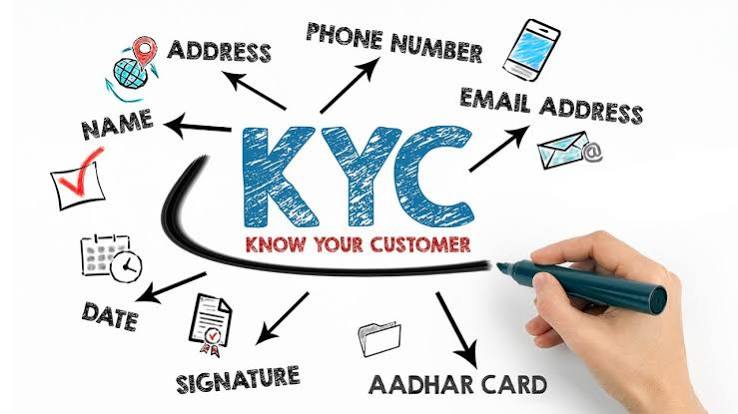
KYC stands for “Know Your Customer,” a process that institutions use to verify the identity of their clients. KYC regulations are practiced across various sectors, particularly in banking and financial services, to prevent fraud, money laundering, and terrorist financing. The need for KYC documents during the loan application process stems from regulatory requirements and the need for financial organizations to know their customers comprehensively.
Common KYC Documents Required for Loan Verification
1. Proof of Identity
Your primary identity document must be valid and recognizable. Acceptable options typically include:
- Passport
- National ID card
- Driver’s license
Each of these documents must contain your photograph, full name, and typically your date of birth.
2. Proof of Address
Identifying your current residential address is crucial. Documents that serve as proof of address commonly include:
- Utility bills (electricity, water, gas, etc.)
- Bank statements
- Rental agreements
- Government correspondence with your address
Generally, these documents should not be older than three months and must clearly indicate your name and address.
3. Income Proof
Institutions will often request proof of income to gauge your ability to repay the loan. You may need to provide:
- Recent payslips (usually from the last 3-6 months)
- Tax returns or ID copies for self-employed individuals
- Bank statements showing regular income deposits
4. Employment Verification
Though some institutions may combine this with income proof, having separate documentation can expedite verification. These documents include:
- Employment letter
- Contract documents
- Employee ID
5. Photographs
Many financial bodies require recent passport-sized photographs for their records. Ensure that the photographs meet specified requirements, such as background color and dimensions.
6. Credit History
If you have any existing loans or credit obligations, providing information from credit bureaus can be beneficial. This documentation can help lenders assess your creditworthiness.
Additional KYC Documents for Specific Cases
In addition to the primary KYC documents mentioned, specific situations might require additional documentation:
– For Business Loans: If you’re applying for a business loan, you may need to submit:
- Business registration certificate
- Memorandum and articles of association
- Directors’ ID proof and address proof
– For Foreign Nationals: International applicants might need:
- Visa copies
- Residence permit documents
– For Minors: Additional guardianship documentation may be required if the applicant is a minor.
What is Video KYC?
In recent years, the introduction of technology in financial services has transformed many processes, including KYC verification. Video KYC is one such innovation designed to streamline customer verification via video conferencing. If you are wondering what is video KYC, it is a digital verification process that allows financial institutions to verify a customer’s identity remotely through a live video interaction. Here’s how it works:
1. Remote Verification: Instead of submitting physical copies of KYC documents, applicants can conduct a live video call with a representative from the financial institution. During this call, the applicant is required to display their identity documents in real-time.
2. Face-to-Face Interaction: Video KYC mimics an in-person procedure, allowing lenders to verify both the submitted documents and the customer’s identity visually. This granularity helps mitigate identity fraud.
3. Efficiency: This process is not only faster but also enables remote applicants to complete KYC without visiting a branch physically. It often leads to quicker loan approvals.
4. Regulatory Compliance: Video KYC also adheres to the same regulatory standards as traditional KYC methods, ensuring that institutions remain compliant with local laws.
The Benefits of Understanding KYC Documents
1. Speeding Up the Verification Process: When you have your KYC documents in order, you can significantly reduce the time it takes for your loan application to be processed. Missing or incorrect documents can lead to delays and additional requests from the lender.
2. Enhanced Credibility: Providing a complete and accurate set of KYC documents presents you as a responsible borrower, potentially influencing the lender’s decision in your favor.
3. Fostering Trust: Being transparent and thorough with your documentation can foster a sense of trust between you and your lender, making negotiations smoother.
4. Empowerment Through Knowledge: Being aware of what is required gives you increased control over your financial decisions, enabling you to be more proactive in securing your loans.
Conclusion
Navigating the loan application process can be daunting, especially when dealing with the intricacies of KYC documentation. By understanding which KYC documents are required for loan verification and exploring modern alternatives like video KYC, you can enhance your chances of a quick and successful loan approval. Remember, preparation is crucial, so make sure to have all necessary documents organized and readily available before applying. This proactive approach not only saves time but also positions you as a trustworthy borrower in the eyes of financial institutions.