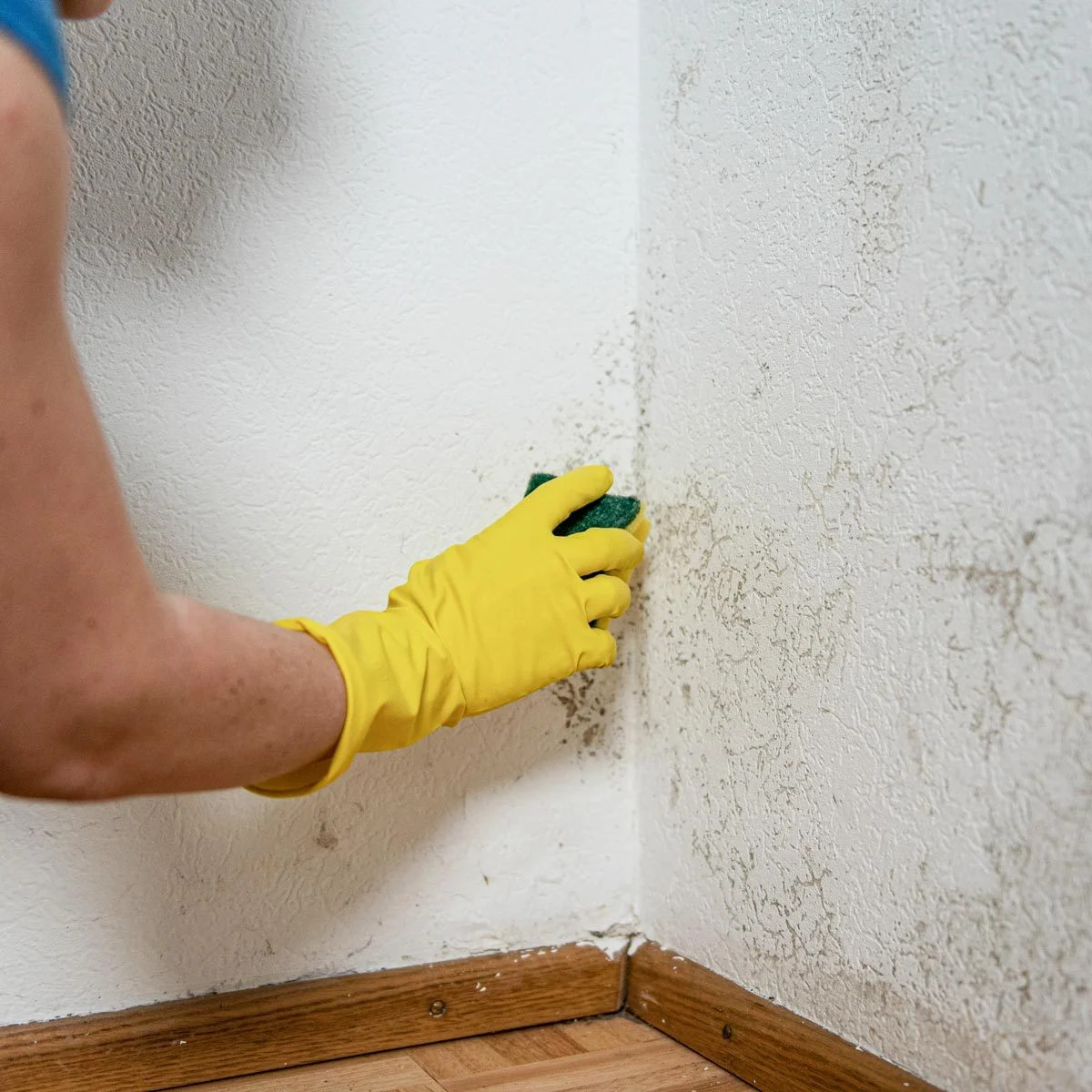
Mold problems are not always easy to recognize. While visible growth on bathroom tiles or ceilings may be obvious, moisture-related issues can also develop behind drywall, beneath wallpaper, and inside wall cavities. These concealed areas can remain unnoticed for months, especially when a property has experienced plumbing leaks, roof damage, or persistent humidity.
For homeowners, understanding how to detect mold inside walls is an important part of maintaining a healthy and well-protected property. Early warning signs can help identify possible moisture problems before they lead to more extensive damage. Although no single symptom confirms hidden mold, recognizing unusual changes around the home can indicate when further investigation is necessary.
Here are nine practical warning signs and professional evaluation methods worth understanding.
1. Persistent Musty Odors
An unusual musty smell is one of the common clues that may suggest a moisture problem. If a room repeatedly smells damp or earthy despite regular cleaning and ventilation, investigate the possible source.
Pay attention to areas near bathrooms, kitchens, laundry rooms, closets, and exterior walls. These locations may experience moisture from plumbing, condensation, or inadequate ventilation.
However, odors alone cannot confirm mold growth. Other sources, including damp building materials and poorly ventilated spaces, can produce similar smells.
2. Discoloration on Walls and Ceilings
Unusual stains can provide another reason to investigate a wall. Yellow, brown, gray, or dark patches may indicate previous or ongoing moisture exposure.
Look carefully around windows, ceiling corners, plumbing fixtures, and areas below bathrooms or roof sections. Peeling paint and bubbling wallpaper can also suggest that moisture has affected the underlying material.
Not every stain is caused by mold. It may result from an old leak, condensation, or another building-related issue. Identifying and correcting the moisture source is more important than simply covering the affected surface.
3. Peeling Paint or Bubbling Wallpaper
Paint and wallpaper can change appearance when moisture becomes trapped behind them. You may notice blistering, lifting edges, cracking, or sections that separate from the wall.
These changes can occur when water enters through plumbing leaks, exterior openings, or damaged roofing materials.
If the same area repeatedly develops these problems after repainting or repairs, consider investigating the possibility of a continuing moisture source rather than applying another cosmetic fix.
4. Soft, Warped, or Damaged Drywall
Drywall that feels unusually soft, swollen, or distorted may have been exposed to moisture.
Other warning signs include:
- Bulging wall surfaces
- Crumbling drywall edges
- Loose or deteriorating baseboards
- Warped wall coverings
- Damaged sections near plumbing connections
Avoid pressing heavily on weakened materials or attempting to remove damaged sections without understanding what is behind them. Water-damaged building materials may require professional assessment and appropriate repair.
5. Previous Plumbing or Roof Leaks
A history of water intrusion increases the importance of checking affected areas. Even after a visible leak has been repaired, moisture may remain in insulation, drywall, or other materials if the area was not properly dried.
Common locations to investigate include walls behind sinks, showers, bathtubs, washing machines, and refrigerators with water connections.
Roof leaks can also affect upper walls and ceiling areas. Homeowners should review previous repair records and check whether the original moisture source was fully corrected.
6. Condensation and Excessive Indoor Humidity
Florida’s warm and humid climate creates additional challenges for moisture management. Condensation can develop on cool surfaces when warm, humid air comes into contact with them.
Watch for repeated window condensation, damp closets, moisture around air-conditioning components, and rooms that remain humid despite normal cooling.
A digital hygrometer can help monitor indoor relative humidity. The U.S. Environmental Protection Agency generally recommends keeping indoor humidity below 60%, ideally between 30% and 50%, where practical.
Good ventilation, properly maintained air conditioning, and prompt attention to leaks can help reduce moisture-related risks.
7. Unexplained Changes Around Baseboards and Flooring
Hidden moisture does not always appear in the middle of a wall. It may affect the lower sections first, particularly when water enters near plumbing connections or travels along building materials.
Look for swollen baseboards, separated trim, discoloration near the floor, and warped flooring beside walls.
If these changes appear alongside a persistent odor or previous water damage, consider arranging a professional moisture assessment.
8. Professional Moisture Detection and Further Investigation
When visible clues suggest a concealed problem, professional evaluation can help determine whether further investigation is necessary.
Depending on the situation, professionals may use:
- Moisture meters: These devices help identify elevated moisture levels in building materials.
- Infrared thermal imaging: Thermal cameras can reveal temperature patterns that may be consistent with moisture-related conditions, but they do not directly identify mold.
- Visual inspection: An experienced professional examines accessible areas for water damage, staining, and other warning signs.
- Targeted sampling: Qualified specialists may recommend appropriate surface or air sampling when the results would help answer a specific question.
No single tool provides a guaranteed diagnosis of concealed mold. Moisture readings and thermal images require interpretation, and further examination may be needed to establish the cause of an unusual finding.
Understanding how to detect mold inside walls also means recognizing the limitations of non-invasive inspection methods. In some situations, a qualified remediation or building specialist may recommend carefully opening an affected section of the wall.
9. When to Seek Professional Help
Do not ignore recurring moisture problems, particularly when they involve extensive water damage, persistent odors, or repeated leaks.
Consider professional assistance when:
- A wall repeatedly develops stains or bubbling paint.
- There has been a significant plumbing or roof leak.
- Dampness continues after basic repairs.
- Multiple rooms show unexplained moisture concerns.
- Visible growth appears over a large area.
- Building materials are deteriorating or remain wet.
If mold is suspected, avoid disturbing affected materials unnecessarily. People with allergies or asthma may experience symptoms around mold, and those with concerning health symptoms should seek appropriate medical advice.
How Florida Homeowners Can Reduce Hidden Moisture Risks
Preventing moisture problems is often easier than dealing with extensive damage later. Homeowners should maintain plumbing connections, inspect roofs periodically, clean gutters, and direct rainwater away from the foundation.
Air-conditioning systems should receive routine maintenance, and bathrooms and kitchens should have adequate ventilation. After a leak or flooding event, affected materials should be dried promptly and thoroughly.
For Central Florida properties, paying attention to heavy rainfall, humidity, and storm-related water intrusion is especially important.
Protect Your Property Through Early Investigation
Hidden moisture can affect a home’s materials long before visible damage becomes extensive. Recognizing unusual odors, discoloration, peeling paint, and repeated water damage can help homeowners decide when additional evaluation is appropriate.
For homeowners and buyers in Central Florida, Full Circle Home Inspectors provides professional home inspection services to help clients understand a property’s observable condition. A careful inspection can identify visible moisture concerns and help determine whether further specialist evaluation may be needed.
Ultimately, how to detect mold inside walls begins with recognizing warning signs, investigating moisture sources, and choosing the right professional assessment. Taking these steps can help homeowners address potential problems earlier and protect their property’s long-term condition.